Learn, prepare and step confidently into the operating theatre


Inside the operating theatre

The quiz will involve questions from this page!


What happens in a typical surgery?
After the OT has been cleaned, the patient will usually be put under anasthetic whether that is general or local.

The patient will be moved onto the surgical bed in the middle of the OT.

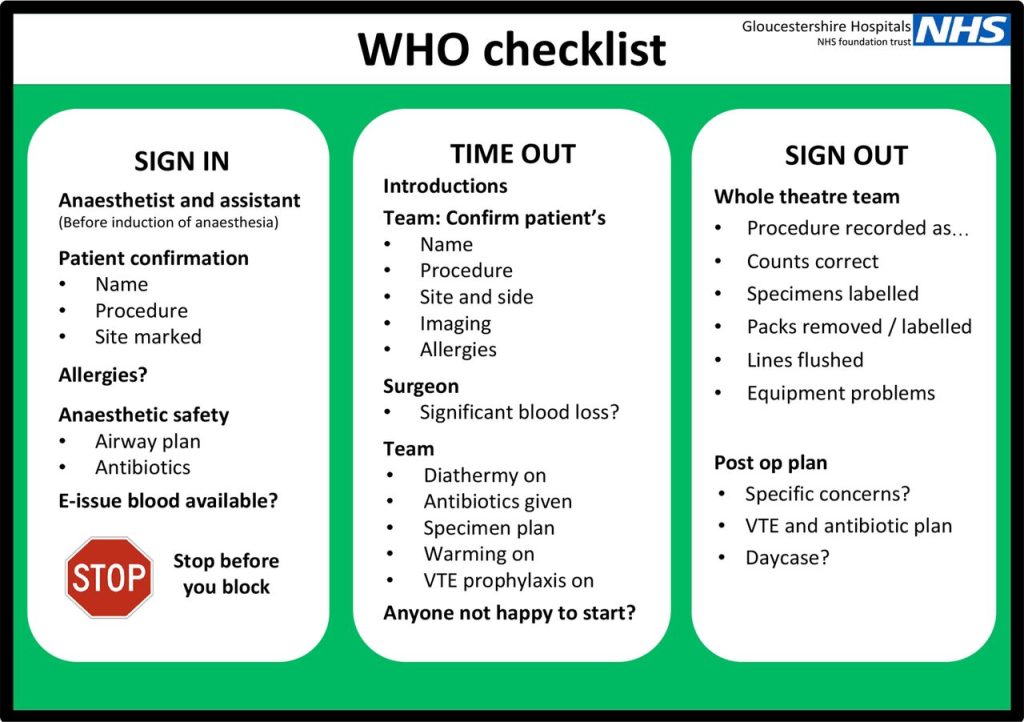
Just before the surgery begins, the team will run a WHO safety check, where they confirm the patients name, DOB, allergies, risks of surgery etc.

The operation will then begin, lasting anywhere between an hour or two to eight plus hours.

Patient always comes first.

Being a medical student, it is essential to be mindful of professionalism and empathy as the OR can be very overwhelming for patients.

Factors that increase vulnerability of the patients includes exposure, sedation and their current medical condition.

To help patients feel more at ease introduce yourself, place their drapes appropriately and ask them if they have any concerns.

Furthermore, make sure you avoid using any derogatory terms or engage in unrelated conversations with staff members as this can make the patient feel unvalued.

You can ask the anaesthetist for permission to participate and learn but at the same time you do not want to distract them from performing their role.

Sterile environment!

Don’t touch anything blue! When you step into the OT, it is extremely important to not come into any contact with the lead surgeon, surgical registrar, the scrub nurse, and literally anything that contains sterile equipment for the surgery and it’s blue.

If you do come into contact with it, you could very easily break sterility. Make sure you inform someone if this happens and while they may not be happy with you, remember it is for the patients safety at the end of the day!

Confused? Just ask.

Probably the most important thing when entering the OT, is that if you are unsure about anything, just ask! Almost all of the staff will be more than happy to talk to you and help you, whether that be the lead surgeon or a HCA.

Asking before you do things, no matter what the question is, shows good initiative, interest and care. It is also much better to ask than to not and break sterility for example.

Remember: the more you ask, the more you learn.

Feeling faint?

Lastly, it is very common for medical students to feel faint during the surgery. Reasons for this could be the temperature of the OT, long standing times, wearing a mask, having low blood sugar and (most commonly) the sight of lots of blood or flesh.

Things to help counter syncope is staying hydrated, being well fed an having substantial meals. Don’t always stand in the same spot, you can move your legs and stretch your calves/quads. Other reasons for syncope could be feelings of anxiety, nausea and low blood pressure.

If you ever feel like there is a possibility of syncope please take appropriate action. Whether this is walking out or mentioning it to a member of staff. Nobody will judge and everyone will completley understand because sometimes you just have to sit down!


To the sterile field?

You are in theatre now, but you want to get involved? Learn how to scrub in!